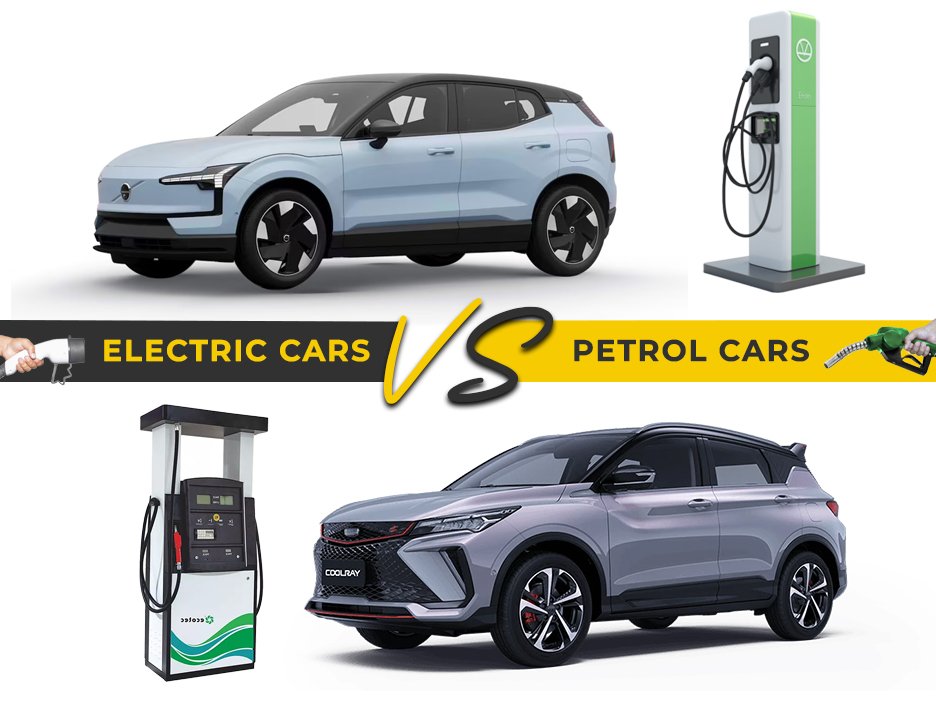
Asking are electric cars better than petrol cars has become one of the most widely debated questions among drivers today. Deciding are electric cars better than petrol cars involves weighing long-term financial savings against upfront sticker prices. Drivers across the globe want to know are electric cars better than petrol cars when it comes to daily commuting and road trips. Evaluating are electric cars better than petrol cars requires examining charging infrastructure, battery life, and routine maintenance costs. To determine if are electric cars better than petrol cars for your lifestyle, you must look closely at your personal driving habits. Analyzing are electric cars better than petrol cars clears up common myths so you can make a smart automotive investment.
The automotive industry is undergoing its biggest transformation in over a century. As governments introduce stricter emission targets and charging networks expand globally, electric vehicles (EVs) are moving rapidly into the mainstream. However, traditional internal combustion engine (ICE) petrol vehicles still dominate roads due to their lower initial purchase price and quick refueling convenience. In this ultimate comparison guide, we will break down running costs, maintenance requirements, driving performance, and environmental impact to help you choose the right vehicle for your needs.
1. Upfront Purchase Cost vs. Long-Term Value
When browsing dealership lots, the sticker price is usually the first major hurdle for potential buyers. Electric vehicles generally carry higher purchase prices than their petrol counterparts due to the expensive materials and technology required for high-capacity lithium-ion batteries.
While petrol models remain cheaper on day one, many car buyers ask, are electric cars cheaper over a full ownership cycle? When you factor in government tax incentives, reduced fuel expenses, and fewer mechanical repairs, electric models often narrow the price gap over time.
2. Running Costs: Charging vs. Fueling at the Pump
Fuel costs represent one of the largest ongoing expenses for any vehicle owner. Comparing household electricity bills to petrol pump prices is key to understanding daily operational expenses.
When evaluating weekly commute expenses, many drivers wonder, are electric vehicles cheaper to run than conventional combustion engines? Charging an electric vehicle at home overnight—especially on off-peak electricity tariffs—costs significantly less per mile than filling up a tank with unleaded fuel. For budget-conscious commuters, are electric vehicles cheaper to run during daily urban stop-and-go driving? Absolutely, as regenerative braking reclaims energy that petrol cars waste as heat.
Asking is electric cars cheaper than gas for highway commuting reveals similar savings. While fast public charging stations cost more than home wallboxes, electricity per mile remains cheaper than fossil fuels. If you drive over 10,000 miles per year, asking is electric cars cheaper than gas leads to noticeable annual savings.
When analyzing lifetime ownership expenses, experts often evaluate if are electric cars cheaper in the long run. Lower energy fees combined with tax exemptions mean that are electric cars cheaper in the long run for drivers who keep their vehicles for five years or more.
3. Maintenance and Reliability Comparison
Under the hood, petrol vehicles are complex machines with hundreds of moving parts, including spark plugs, timing belts, fuel injectors, gearboxes, and exhaust systems. Every moving component is a potential point of mechanical failure over time.
Electric vehicles operate on much simpler mechanical foundations. An electric motor contains only a fraction of the moving components found in an engine. There are no oil changes, timing belt replacements, or catalytic converters to worry about. Additionally, regenerative braking systems reduce wear on brake pads and rotors, making routine upkeep far simpler.
4. Driving Dynamics and Performance
Performance is another major area where vehicle types diverge. Electric motors deliver instant torque the moment you press the accelerator pedal. This provides seamless, rapid acceleration without gear shifts, making merging onto highways or pulling away from traffic lights effortless.
Beyond swift acceleration, electric cars offer a whisper-quiet cabin environment and smooth handling thanks to heavy battery packs mounted low in the chassis. However, petrol cars still appeal to driving enthusiasts who love manual gearboxes, engine notes, and lighter overall vehicle weights.
5. Practicality: Range, Charging, and Fueling
While EVs excel in urban efficiency, practicality on long-distance road trips requires careful planning.
When weighing daily convenience, car buyers ask, are electric cars better than petrol car setups for long trips? Refueling a petrol car takes under five minutes at any gas station. In contrast, charging an EV can take anywhere from 20 minutes at a DC fast charger to several hours on a standard home outlet. However, for drivers asking if are electric cars better than petrol car models for daily city driving, waking up with a fully charged battery at home eliminates trips to petrol stations entirely.
As battery technology improves and modern EVs offer 250 to 350 miles of range on a single charge, asking are electric cars better than petrol car options for everyday family use is becoming much clearer.
When comparing ownership costs across all categories, looking at are electric cars cheaper shows that charging at home beats gasoline prices consistently. For drivers asking are electric cars cheaper for fleet management, reduced fuel costs make them increasingly attractive.
Looking strictly at fuel bills, asking is electric cars cheaper than gas highlights the financial benefits of electric drivetrains. Furthermore, analyzing is electric cars cheaper than gas for local delivery services demonstrates immediate savings.
Asking if are electric cars cheaper in the long run gives buyers confidence when making large purchase decisions. Over 5 to 7 years of typical ownership, are electric cars cheaper in the long run due to minimal maintenance and low electricity costs.
Finally, examining whether are electric vehicles cheaper to run for long-distance drivers proves that off-peak tariffs drastically reduce travel expenses. Understanding are electric vehicles cheaper to run helps commuters plan their monthly budget effectively.
Summary: Which Vehicle Choice Is Right for You?
Choosing between an electric car and a petrol vehicle comes down to your personal driving habits, home setup, and long-term financial goals. If you can install a home charger and want to minimize fuel expenses and routine maintenance, an electric vehicle is a fantastic investment. On the other hand, if you frequently travel long distances in rural areas without robust charging networks or want a lower initial purchase price, a petrol car remains a practical choice.
As battery technology advances and infrastructure expands, electric cars will continue to become more accessible, affordable, and practical for every type of driver.
Frequently Asked Questions (FAQ)
Q1: How long do electric car batteries last?
A: Modern EV batteries are engineered to last between 10 to 15 years (or 100,000 to 200,000 miles). Most manufacturers back their batteries with an 8-year or 100,000-mile warranty.
Q2: Can I charge an electric car using a regular wall socket?
A: Yes, using a standard Level 1 household outlet is possible, but it is slow (adding about 3 to 5 miles of range per hour). Installing a dedicated Level 2 home wallbox is recommended for overnight charging.
Q3: Are electric cars completely emission-free?
A: EVs produce zero direct tailpipe emissions while driving. While manufacturing and electricity generation create indirect carbon footprints, EVs remain significantly cleaner over their total operational lifecycle compared to petrol cars.