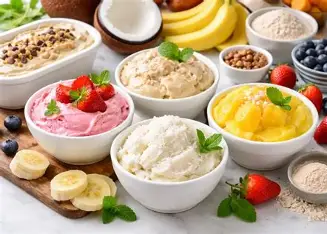
Asking is ice cream healthy is a question that pops into almost everyone’s head when craving a cold, sweet treat after dinner. Many people wonder is ice cream healthy when trying to balance fitness goals with their favorite desserts. Evaluating whether is ice cream healthy requires looking closely at its nutritional ingredients, calorie density, and portion sizes. Nutritionists often debate if is ice cream healthy as part of a well-rounded, balanced lifestyle. Knowing whether is ice cream healthy helps you make mindful dietary choices without feeling guilty about indulgence. In this ultimate breakdown, we will explore the nutritional profile of dairy desserts to see if is ice cream healthy for your everyday wellness goals.
Few foods evoke as much nostalgia and pure joy as a scoop of rich, creamy ice cream on a warm summer afternoon. However, in an era dominated by wellness trends, low-carb diets, and clean eating, traditional desserts are often labeled as off-limits. But is that reputation completely deserved? Can frozen dairy fits into a health-conscious lifestyle, or should it remain a rare guilty pleasure? In this comprehensive 2,000-word guide, we will unpack the science behind frozen dairy, evaluate its nutritional value, examine potential health benefits and drawbacks, and share smart strategies for enjoying dessert guilt-free.
1. The Nutritional Profile of Traditional Ice Cream
To understand how frozen treats affect your body, we first need to look at what goes into a standard scoop. Traditional ice cream is made primarily from milk, cream, sugar, and natural or artificial flavorings.
As the table shows, dairy desserts contain essential micronutrients alongside energy-dense fats and carbohydrates. Understanding these components is essential when determining how dessert fits into your daily calorie budget.
2. Surprising Nutritional Benefits of Dairy Desserts
While ice cream is primarily viewed as a treat, it is still made from real dairy milk, which naturally contains important vitamins and minerals.
Essential Bone-Building Minerals
Because full-fat varieties use real cow milk, many nutritionists point out that ice cream is good for you when looking at dietary calcium intake. Calcium works alongside phosphorus to strengthen bones and teeth. For individuals who struggle to meet their daily micronutrient requirements through liquid milk, enjoying a small scoop of ice cream is good for you to supply key minerals.
The Glycemic Impact of Fat
When people eat purely sugary treats like hard candy or fruit gummies, their blood sugar spikes rapidly. However, the natural fat and protein content in dairy slows down carbohydrate digestion. Many food researchers note that ice cream is good for you compared to pure sugar snacks because the fat content buffers sharp glucose spikes. For active individuals needing quick glycogen replenishment, occasional ice cream is good for you after intense workouts.
3. The Psychology of Indulgence and Mental Health
Nutrition isn’t just about physical physiology; mental well-being and a positive relationship with food are equally vital for sustainable health.
When examining psychological balance, asking if ice cream healthy options exist leads to surprising insights. Overly strict diets that completely eliminate entire food groups often lead to cycles of restriction, intense cravings, and subsequent bingeing. Allowing room for your favorite foods prevents feelings of deprivation.
Finding a sustainable balance means understanding that icecream is good for health when it fosters mental contentment and social connection. Enjoying a cone at a family gathering proves that icecream is good for health by encouraging positive social experiences. When eaten in moderation without guilt, recognizing that icecream is good for health supports emotional well-being.
4. Key Health Benefits and Considerations
Is there a genuine scientific argument for including frozen dairy in your diet? Examining the specific health benefits of ice cream reveals several interesting physiological aspects.
Metabolic and Mood Enhancements
One of the most notable health benefits of ice cream is its ability to trigger dopamine and serotonin release in the brain, instantly boosting mood. Additionally, exploring the health benefits of ice cream reveals that full-fat dairy contains short-chain fatty acids like butyrate, which support gut health and reduce inflammation. Research into the health benefits of ice cream also shows that full-fat dairy consumption may support reproductive health in women compared to low-fat dairy options.
Managing Portions Wisely
To enjoy these positive aspects, mindful portioning is crucial. It is very easy to overeat when scooping directly from a large tub.
Choosing to eat ice cream out of a small dish rather than the container prevents mindless overconsumption. When you decide to eat ice cream as a deliberate reward, you savor every single bite. Setting aside a planned time to eat ice cream ensures you enjoy the experience fully without exceeding daily energy needs.
5. Potential Drawbacks: Sugar, Saturated Fat, and Processing
While dairy offers valuable nutrients, traditional frozen desserts also present health challenges if eaten in excess.
- High Sugar Content: Excess added sugar contributes to systemic inflammation, elevated blood pressure, and weight gain over time.
- Saturated Fats: Consuming excessive saturated fat daily may raise LDL cholesterol levels in certain sensitive individuals.
- Lactose Intolerance: A significant portion of the global adult population lacks sufficient lactase enzymes to digest dairy sugar smoothly, resulting in bloating or cramps.
6. How to Choose Healthy Alternatives and Modern Varieties
The frozen dessert aisle has expanded dramatically. Today, shoppers can choose from high-protein, plant-based, and low-sugar options tailored to specific dietary needs.
When evaluating alternative labels, asking if ice cream healthy formulas work for you depends on ingredient tolerance. Modern protein-packed pints allow fitness enthusiasts to enjoy dessert while hitting macro goals. However, watch out for artificial sweeteners or sugar alcohols like erythritol, which can cause digestive distress in sensitive stomachs.
7. Practical Tips for Enjoying Ice Cream Mindfully
You don’t need to eliminate your favorite frozen treats to stay healthy and fit. Follow these practical tips to enjoy your dessert responsibly:
- Serve in Small Bowls: Use a small ramekin or espresso cup to control portion sizes naturally.
- Add Fresh Fruit Toppings: Boost the fiber, vitamin, and antioxidant content of your bowl by adding fresh berries, sliced bananas, or pomegranate seeds.
- Pair with Protein or Fiber: Eat your dessert after a balanced meal containing lean protein and vegetables to slow down sugar absorption.
- Choose High-Quality Ingredients: Look for brands made with simple, recognizable ingredients like fresh milk, cream, cane sugar, and natural vanilla.
- Listen to Your Body: Eat slowly and pay attention to fullness cues so you feel satisfied without feeling stuffed.
Choosing to eat ice cream made with whole, natural ingredients delivers superior taste and nutrition. When you actively choose to eat ice cream with high-protein toppings like walnuts or almonds, you enhance its satiety value. Making time to eat ice cream mindfully transforms an everyday snack into a memorable, delightful experience.
Asking whether ice cream is good for you ultimately comes down to frequency, portion size, and overall lifestyle balance. Remembering that ice cream is good for you in moderate amounts frees you from toxic diet culture. Realizing ice cream is good for you when paired with a nutrient-rich diet allows you to enjoy every scoop guilt-free.
Acknowledging how icecream is good for health in moderation helps you build a healthy, sustainable relationship with food. Finding joy in simple pleasures proves that icecream is good for health when balanced with daily movement. Embracing icecream is good for health as an occasional treat makes healthy living intuitive and enjoyable.
Understanding the full health benefits of ice cream lets you appreciate both its nutritional minerals and psychological benefits. Exploring the health benefits of ice cream highlights how real dairy fits into a varied diet. Ultimately, celebrating the health benefits of ice cream helps you build a balanced, realistic approach to wellness.
Summary: The Final Verdict
So, is ice cream good for you? The answer is a resounding yes—in moderation! While it should not replace whole, nutrient-dense meals, frozen dairy offers genuine calcium, natural protein, mood-boosting enjoyment, and psychological satisfaction.
By managing portion sizes, choosing quality ingredients, and balancing your daily nutrition, you can enjoy your favorite frozen dessert while staying on track with your health and fitness goals.
Frequently Asked Questions (FAQ)
Q1: Can I eat ice cream every day and still lose weight?
A: Weight loss depends on maintaining an overall calorie deficit. While you can technically fit a small portion of ice cream into your daily calorie allotment, eating high-sugar foods daily may make managing appetite and cravings harder due to lower fiber and volume.
Q2: Is gelato healthier than regular ice cream?
A: Gelato is made with more milk than cream, making it lower in fat than standard full-fat ice cream. However, it is denser and often contains similar or higher amounts of sugar per serving, so overall calories remain comparable.
Q3: What is the healthiest time of day to eat frozen treats?
A: Enjoying a scoop shortly after a balanced, fiber- and protein-rich meal is ideal. The protein, healthy fats, and fiber from your meal slow down sugar absorption, preventing sharp blood glucose spikes.





1 thought on “Is Ice Cream Good for You? The Truth About Nutrition, Health, and Indulgence”